
Local SEO Strategies Every Small Business Should Use in 2026
Whether you run a coffee shop, a law office, or a boutique fitness studio, appearing in local search results can be the difference between a fully booked calendar and empty appointment slots. As we head into 2026, local SEO continues to evolve—and understanding the latest strategies is essential for staying competitive.
Understanding Your Audience and Local Keywords
Local SEO begins with knowing exactly who you're trying to reach and what they're searching for. Unlike broader SEO, local optimization zeroes in on geographic intent—people searching with location-specific modifiers or "near me" queries.
Start with keyword research: Use free tools like Google Keyword Planner, Ubersuggest, or AnswerThePublic to discover what local customers are typing into search engines.
For example, "emergency plumber in [your city]" or "best brunch spot near downtown" are high-intent searches that indicate readiness to act.
Don't just target your city name—think about neighborhoods, landmarks, and even cross-streets. If you serve multiple areas, create dedicated pages or blog posts for each location to maximize relevance.
Optimizing Your Google Business Profile (GBP)
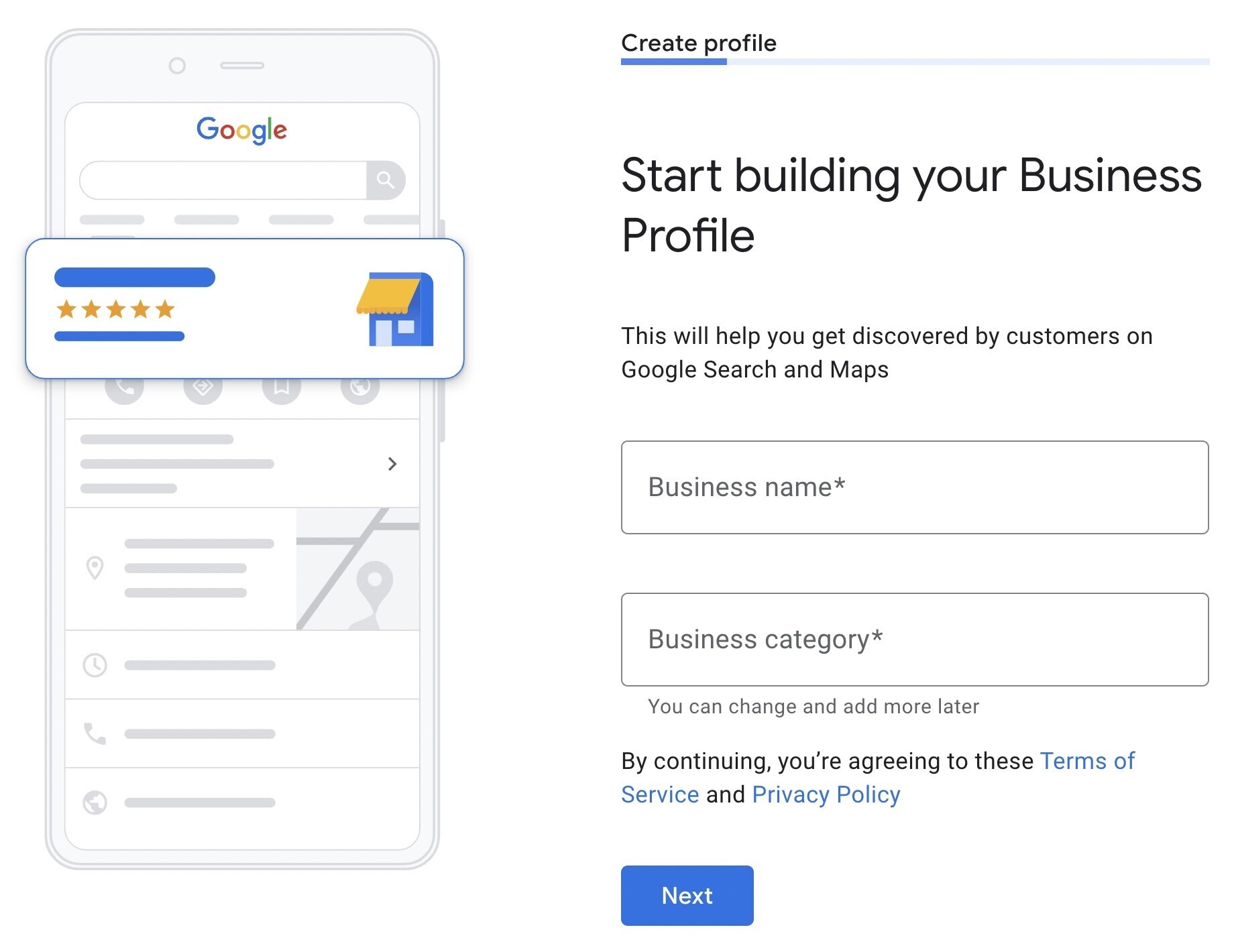
Your Google Business Profile is the single most important tool in local SEO. It's what powers the "local pack"—the map results that appear at the top of search pages.
Choose your primary category carefully—it heavily influences which searches you appear in. Add secondary categories if relevant, but avoid category stuffing. Google rewards accuracy and relevance, not keyword manipulation.
At Pixel Bargain, we've seen businesses increase visibility by 40% simply by maintaining an active posting schedule on their GBP.
Website Optimization and Schema Markup
Your website needs to speak Google's language. That means using structured data—specifically, schema markup—to help search engines understand your content.
Schema types like LocalBusiness, Organization, and Review markup tell Google exactly what your business does, where it's located, and what customers think of it. Implementing schema can help you earn rich snippets—those eye-catching search results with star ratings, hours, and FAQs.
Tip: Use Google's Structured Data Markup Helper to generate schema code easily.
Test your markup with Google's Rich Results Test tool to ensure it's implemented correctly.
Also, make sure your NAP (Name, Address, Phone number) is consistent across your website, footer, and contact page. Google cross-references this info with your GBP and other directories—inconsistencies hurt your rankings.
Online Directories and Local Citations
Citations are mentions of your business name, address, and phone number across the web. They act as votes of confidence—signals to Google that your business is legitimate and active.
Focus on quality over quantity. Start with major platforms, then move to niche directories relevant to your industry. Always ensure your NAP information is identical across every listing.
Warning: Duplicate or inaccurate listings can confuse Google and lower your rankings.
Use tools like Moz Local, BrightLocal, or Yext to audit and clean up your citations regularly.
Content Marketing for Local SEO
Content isn't just for big brands—it's one of the most effective ways to establish local authority and attract organic traffic.
Create blog posts, guides, and resources that answer questions your local audience is asking. For example:
- "Top 10 Dog-Friendly Parks in [Your City]" (if you're a pet store or vet)
- "How to Prepare Your Home for Winter in [Your Region]" (if you're an HVAC company)
- "Best Neighborhoods for Families in [Your City]" (if you're a real estate agent)
Local content builds trust, earns backlinks from local news sites or blogs, and keeps your website fresh—a ranking factor Google loves.
We recommend publishing at least one locally-focused blog post per month. Over time, this library of content becomes a powerful SEO asset.
Customer Reviews as SEO Gold
Reviews are among the top three ranking factors for local SEO. They signal trust, relevance, and engagement—all things Google values highly.
When responding to reviews, personalize your replies. Thank customers by name, reference specific details, and address negative feedback professionally. This shows both Google and potential customers that you care about your reputation.
Local Link Building Strategies
Backlinks from reputable local websites boost your authority in Google's eyes. But not all links are created equal—focus on earning links from:
- Local news outlets — get featured in community stories
- Chamber of Commerce — join and get listed on their member directory
- Local blogs and influencers — sponsor events or collaborate on content
- Community organizations — charities, schools, sports teams
- Business partnerships — cross-promote with complementary local businesses
A single high-quality local backlink can be more valuable than dozens of generic directory listings. Focus on relevance and authority.
Voice Search Optimization
Voice search is exploding—especially for local queries. People ask their devices, "Where's the nearest coffee shop?" or "Who does AC repair near me?"
Voice searches are more conversational and question-based, so optimize for natural language:
Google often pulls voice search answers from featured snippets, so aim to rank for "position zero" by providing clear, direct answers to common questions.
Social Media's Intersection with Local SEO
While social media signals aren't direct ranking factors, they indirectly influence local SEO through brand awareness, engagement, and traffic.
Active social profiles increase brand searches, which signal relevance to Google. Plus, social platforms like Facebook and Instagram have their own local search features.
Keep your business information consistent across all social channels. Engage with local followers, share user-generated content, and participate in community conversations. Social proof translates into real-world credibility.
Mobile Optimization: A Non-Negotiable in 2026
More than 60% of local searches happen on mobile devices. If your site isn't mobile-friendly, you're losing customers—and Google knows it.
Test your site using Google's Mobile-Friendly Test and PageSpeed Insights. Aim for load times under three seconds—every extra second increases bounce rates significantly.
Tracking and Analytics: Measure What Matters
You can't improve what you don't measure. Set up tracking to monitor your local SEO performance:
- Google Analytics — track traffic sources, user behavior, and conversions
- Google Search Console — monitor search queries, impressions, and click-through rates
- GBP Insights — see how users find and interact with your listing
- Review monitoring tools — stay on top of new feedback across platforms
Key metrics to watch: organic traffic from local searches, Google Business Profile views and actions, conversion rates from local campaigns, and review volume and sentiment.
AI and Personalization in 2026
Google's AI is getting smarter—understanding user intent, context, and even sentiment better than ever. In 2026, search results are increasingly personalized based on:
This means your local SEO strategy needs to be more holistic than ever—focusing on user experience, engagement, and genuine value, not just keyword rankings.
Privacy Regulations and Building Trust
As privacy concerns grow, consumers are more cautious about sharing data. Transparency builds trust:
- Use secure HTTPS — essential for credibility and rankings
- Display clear privacy policies — especially if you collect emails or phone numbers
- Respect user preferences — offer easy opt-outs and honor requests
- Highlight security badges — show certifications and secure payment icons
Trust signals aren't just about compliance—they directly impact conversion rates and customer loyalty.
Local SEO as an Ongoing Commitment
Local SEO isn't a one-time project—it's an ongoing process. Algorithm updates, new competitors, and changing consumer behavior mean you need to stay proactive.
Monthly Checklist:
- Update Google Business Profile with new posts and photos
- Audit and respond to new reviews
- Publish fresh local content on your blog
- Check citation consistency across directories
- Monitor analytics for trends and opportunities
- Test website speed and mobile usability
Consistency beats intensity. Small, regular efforts compound over time—much like exercise or investing.
The Big Picture
Local SEO in 2026 is about being visible, credible, and valuable to your community.
It's not about gaming Google—it's about genuinely serving your local customers better than anyone else. When you optimize for real people, search engines reward you naturally.
At Pixel Bargain, we help small businesses build sustainable local SEO strategies that drive real results.
Whether you're just starting or looking to refine your approach, mastering these fundamentals will put you ahead of the competition and keep you there.